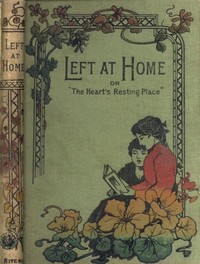
Left at home : or, The heart's resting place by Mary L. Code
The Story
Imagine you're a nervous ten-year-old kid, and everyone keeps handing you off to a new family. That's Wiley's life. He's being raised by an aunt who loves him but wants him to see the world, so she sends him to stay with this gruff man named Ishmael (yeah, scary name, right?). Ishmael and his wife teach Wiley about grit and God, but just when he starts to feel safe—boom—someone else shows up with a different plan. The whole thing swirls around a simple saying: 'Set not your affections on things below, but above.' But for a little guy, that line feels like a riddle. The drama kicks in when people think little Sam (yes, Wiley gets called Sam sometimes) *belongs* somewhere he doesn't, and he has to literally (like, physically and out loud) speak his heart.
Why You Should Read It
Most stories ram tough lessons down your throat. Not this one. Mary L. Code was a really young writer—seriously, she died before she was thirty—and she knew something adults forget: kids want to feel important, not patronized. I loved how Wiley isn't some perfect angel; he pouts, he's doubtful, he makes dumb moves. But that makes his decision to 'take for his rest' the King of kings—and mean it—feel like *you* can do it too. It's not preachy in a cheesy way. It's more like a pal talking while you shovel horse poop (yeah, there's a lot of that 1800s manual labor in here). If you've ever felt like an outsider—grab this. Code never makes him miserable; she just shows that ‘home’ doesn't mean a house. It means trusting something. The writing feels like peeking through a frosty window into warm toast and folks telling quiet truth that lasts. The poetry of stones being stacked as a 'motherhood proof'...the butterflies in the heart in Chapter XI...that’s where the magic lives.
Final Verdict
If you hate dog-eared 140-year-old beauties that use words like 'whence'—skip. But if you love slow, gentry-earnest, heartfixing story? Read it. Take a star here. Perfect for anyone tired of fast novels about fancy destruction and ready to feel still, to literally rest where you are placed. It'll patch your ordinary Tuesday and maybe stop you from chasing places that don't mean snug home.
This work has been identified as being free of known copyright restrictions. Preserving history for future generations.