M
McKenna Nordbrock
Guest
- Thread Author
- #1
The genus Euphorbia is one of the most delightfully diverse in the plant kingdom, featuring everything from the holiday favorite poinsettia (Euphorbia pulcherrima) to the dainty annual ‘Diamond Frost’ (E. hypericifolia) and even the resilient sidewalk weed, spotted spurge (E. maculata).
But it’s the genus’s extraordinary array of succulent and cactus-like species that we’re focusing on here.
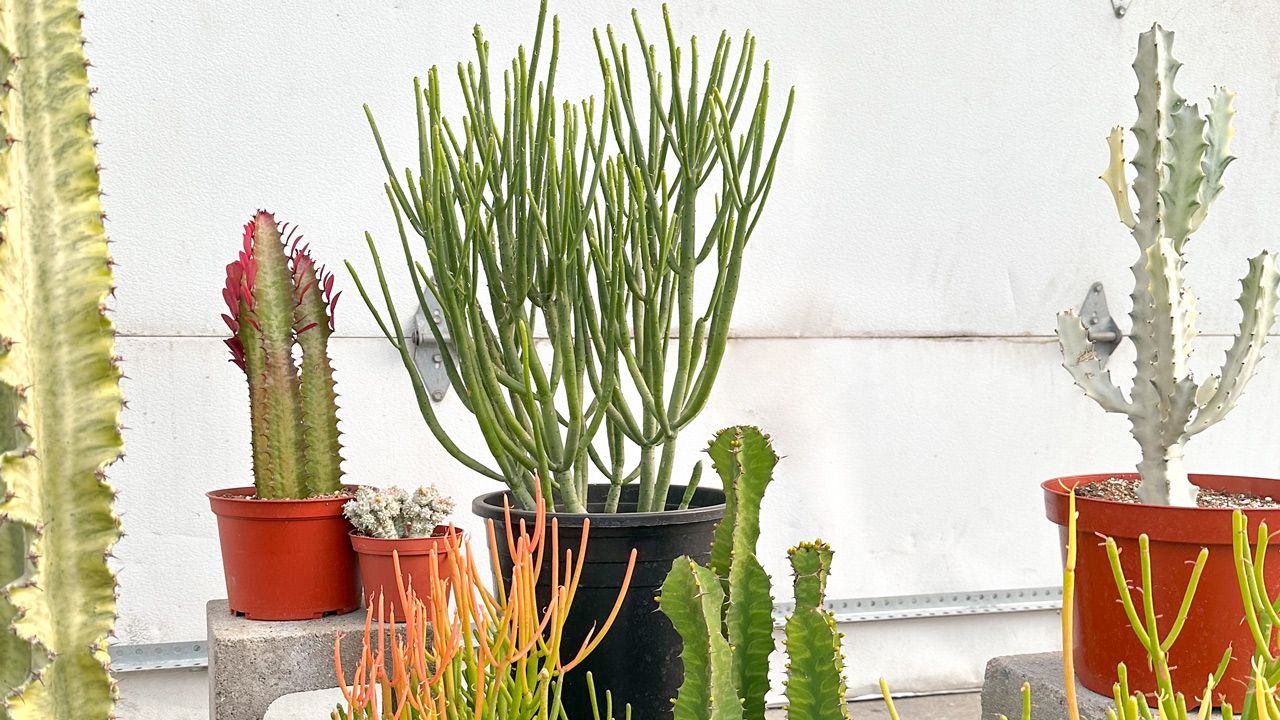
Though their appearance sets them apart from other members of the genus, succulent euphorbias share two key traits:
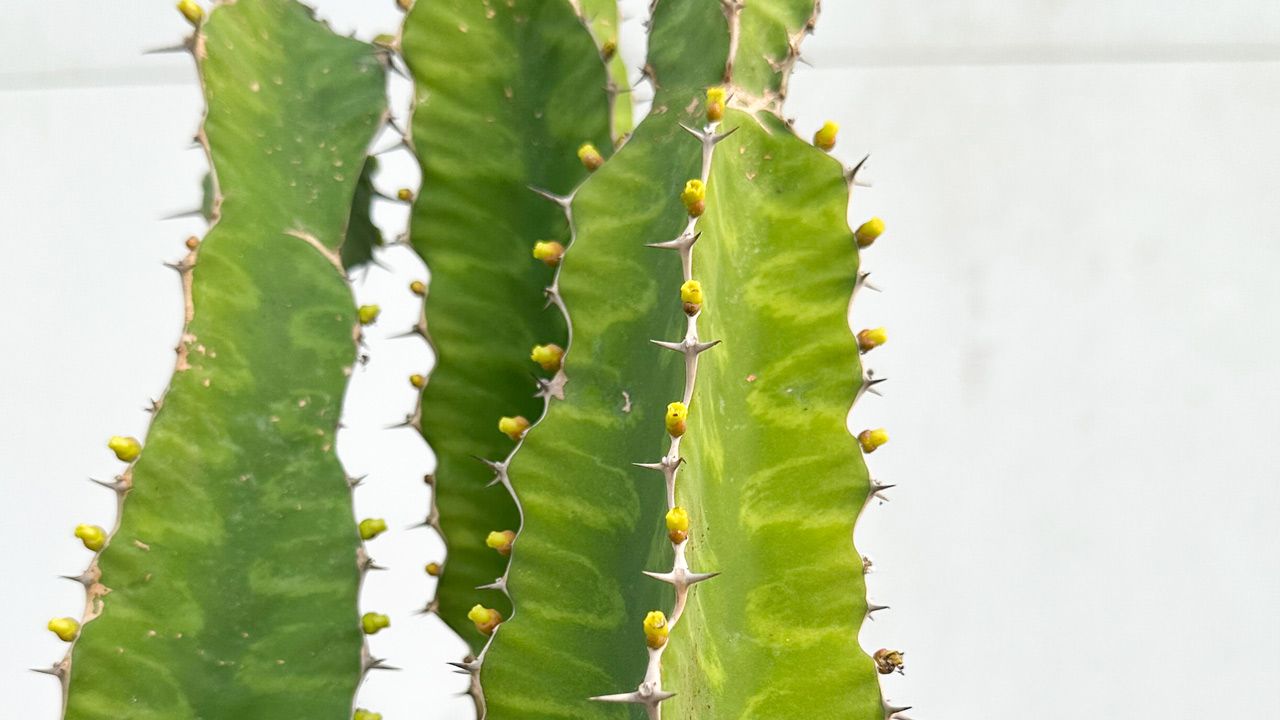
Euphorbia flowers are unlike any other. Their true flowers, either male or female, are tiny and simplified, nestled within a small cup-like structure called a cyathium. Sometimes, colorful bracts called cyathophylls complete the “bloom.”
A thick, white sap helps deter herbivores but can irritate human skin, so handle with care.
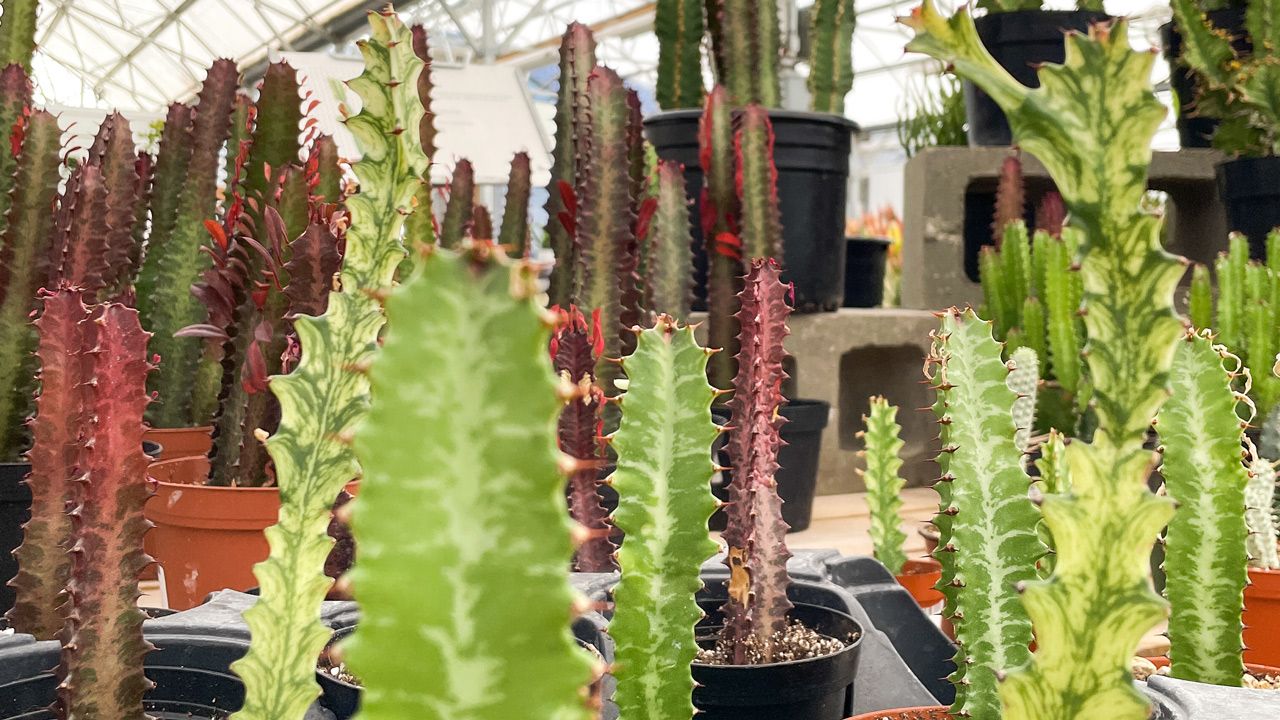
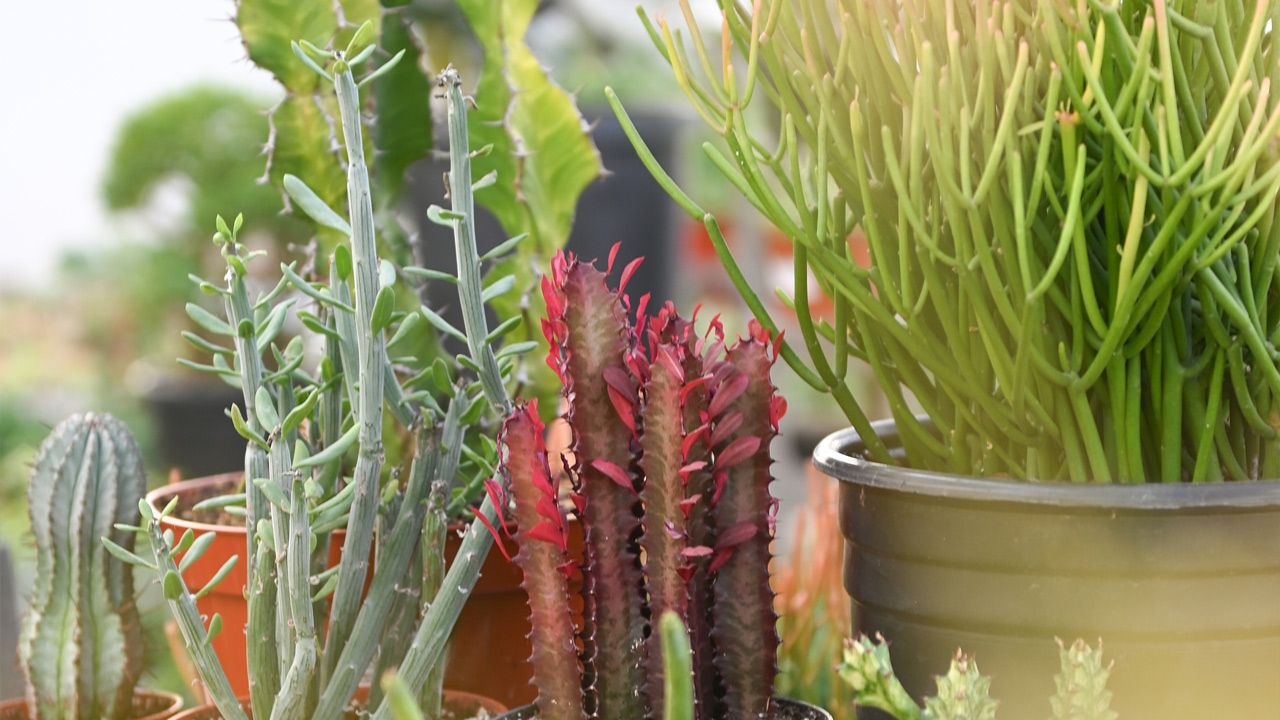
Native to southern Africa and Madagascar, succulent euphorbias have adapted to thrive in hot, arid climates with water-storing stems and leaves. Their shapes, textures, and sizes are stunningly diverse:
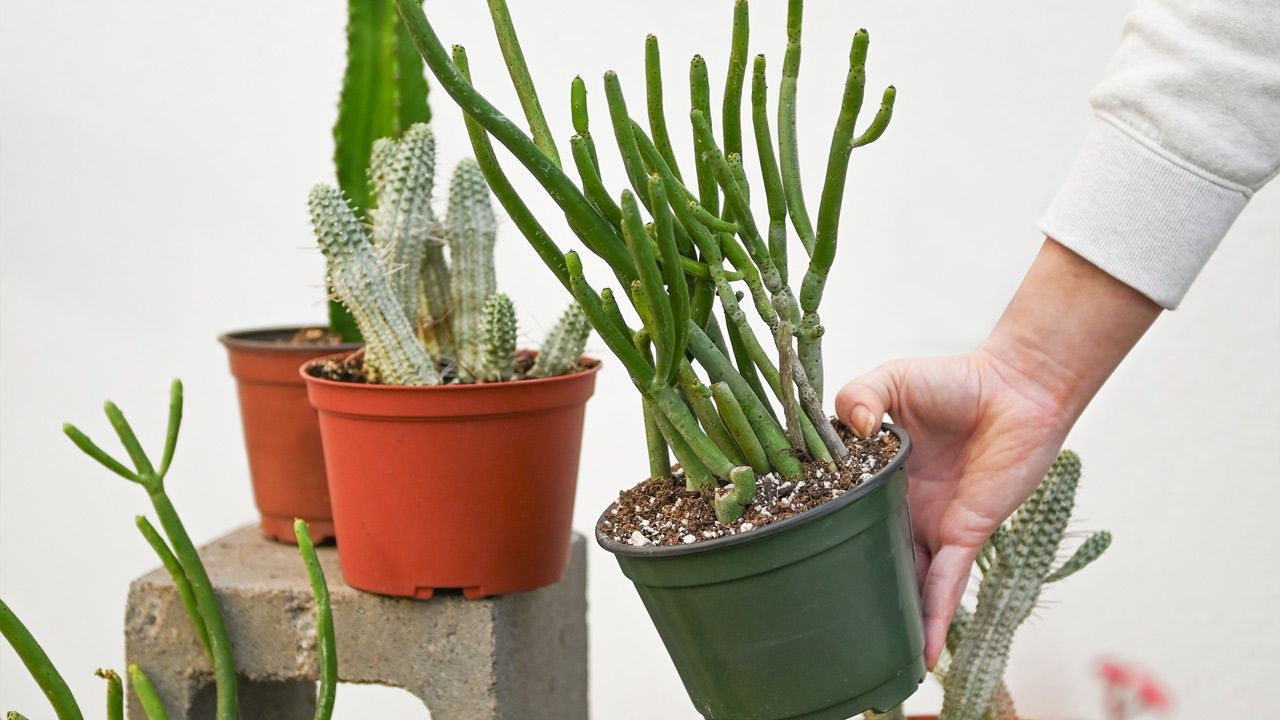
Indoors, place your euphorbia near a south- or west-facing window with several hours of bright, indirect light. Outdoors, light needs vary by species, but most prefer partial sun over direct exposure.
Avoid overwatering—let the soil dry out completely between waterings. Typically, this means watering once or twice a month, depending on light, temperature, and the season. When watering, ensure the soil is soaked and any excess drains away.
Use a fast-draining mix designed for cacti and succulents. Terra cotta pots with drainage holes are ideal, as they encourage airflow and help the soil dry quickly.
Euphorbias thrive in warm, dry conditions. Indoors, protect them from drafts and cold windows. If you’ve moved them outdoors for summer, bring them inside when temperatures drop below 50°F.
During spring and summer, feed with a gentle cactus and succulent fertilizer or a diluted balanced fertilizer (like 5-10-5). Skip feeding in fall and winter.
Propagate by stem cuttings. Wear gloves to protect against the sap and allow cuttings to callous for a day or two before planting in well-draining soil. Wait to water until roots develop.
Succulent euphorbias are mildly toxic if ingested, and their sap can cause skin irritation, especially for those sensitive to latex.
Succulent euphorbias are as easy to care for as they are to love. Whether you’re searching for a unique desk companion or a statement piece for your living room, you’ll find an amazing variety in our Greenhouse. Stop by today and let us help you pick the perfect one to take home.
The post Euphorbia Succulents: Stunning Varieties and Simple Care Tips first appeared on Mulhalls.
But it’s the genus’s extraordinary array of succulent and cactus-like species that we’re focusing on here.
Euphorbia’s Succulent Side
Though their appearance sets them apart from other members of the genus, succulent euphorbias share two key traits:
Unique Flowers
Euphorbia flowers are unlike any other. Their true flowers, either male or female, are tiny and simplified, nestled within a small cup-like structure called a cyathium. Sometimes, colorful bracts called cyathophylls complete the “bloom.”
Milky Sap
A thick, white sap helps deter herbivores but can irritate human skin, so handle with care.
Fascinating Forms
Native to southern Africa and Madagascar, succulent euphorbias have adapted to thrive in hot, arid climates with water-storing stems and leaves. Their shapes, textures, and sizes are stunningly diverse:
- Tall Columns: Towering varieties can grow tens of feet high.
- Compact Shrubs: These are perfect for smaller spaces.
- Collector’s Gems: Some resemble baseballs, corncobs, or even pencils.
- Not Cacti: While some have thorns, true cacti belong to a different family (Cactaceae).
Care Tips for Succulent Euphorbias
Light
Indoors, place your euphorbia near a south- or west-facing window with several hours of bright, indirect light. Outdoors, light needs vary by species, but most prefer partial sun over direct exposure.
Water
Avoid overwatering—let the soil dry out completely between waterings. Typically, this means watering once or twice a month, depending on light, temperature, and the season. When watering, ensure the soil is soaked and any excess drains away.
Potting Mix
Use a fast-draining mix designed for cacti and succulents. Terra cotta pots with drainage holes are ideal, as they encourage airflow and help the soil dry quickly.
Environment
Euphorbias thrive in warm, dry conditions. Indoors, protect them from drafts and cold windows. If you’ve moved them outdoors for summer, bring them inside when temperatures drop below 50°F.
Fertilizer
During spring and summer, feed with a gentle cactus and succulent fertilizer or a diluted balanced fertilizer (like 5-10-5). Skip feeding in fall and winter.
Propagation
Propagate by stem cuttings. Wear gloves to protect against the sap and allow cuttings to callous for a day or two before planting in well-draining soil. Wait to water until roots develop.
Toxicity
Succulent euphorbias are mildly toxic if ingested, and their sap can cause skin irritation, especially for those sensitive to latex.
Find Your Favorite Euphorbia
Succulent euphorbias are as easy to care for as they are to love. Whether you’re searching for a unique desk companion or a statement piece for your living room, you’ll find an amazing variety in our Greenhouse. Stop by today and let us help you pick the perfect one to take home.
The post Euphorbia Succulents: Stunning Varieties and Simple Care Tips first appeared on Mulhalls.