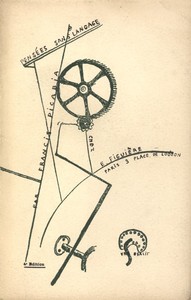
Pensées sans langage by Francis Picabia
Don't come to 'Pensées sans langage' looking for a traditional story or a linear argument. It's not that kind of book. Imagine instead you've discovered a famous artist's private journal from 1918, a time when the world of art was being blown apart by Dada and other movements. What you'll find is a collection of short, punchy statements, questions, and provocations. Picabia writes about machines, love, art critics, boredom, and the sheer joy of destroying old ideas to make room for new ones.
The Story
There isn't a plot, but there is a powerful drive. The 'story' is Picabia's mind at work. He throws out declarations like 'The only way to be original is to break everything' and then questions his own thoughts a page later. He mocks the art establishment, celebrates nonsense as a creative force, and constantly searches for a way to express the energy of thought before it becomes a settled, boring sentence. It's a performance on the page, a one-man revolution against meaning, logic, and the stale art of the past.
Why You Should Read It
I loved this book because it's so alive. It hasn't been polished into a perfect philosophy. You can feel Picabia's impatience and his humor. One moment he's profound, the next he's being deliberately silly to make a point. It reminds you that great art comes from a place of play and rebellion. Reading these 'thoughts without language' is like getting a backstage pass to the birth of modern art. You see the doubts, the jokes, and the raw impulses that later became famous paintings and movements. It makes the whole art world feel more human and less intimidating.
Final Verdict
This book is perfect for curious minds who find most art theory too dry. If you enjoy the energy of punk rock, the surprise of a good meme, or the cleverness of a well-turned aphorism, you'll find a friend in Picabia. It's also a great, quick read for anyone interested in the Dada movement, modern art, or creativity itself. Just don't try to 'solve' it. Let it wash over you, confuse you, and make you laugh. Think of it as a spark for your own thoughts, with or without language.
The copyright for this book has expired, making it public property. Knowledge should be free and accessible.