
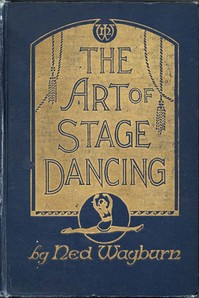
The Art of Stage Dancing by Ned Wayburn
Ned Wayburn was a giant. From the 1890s through the 1920s, he shaped American stage dance, working with stars like Marilyn Miller and Fred Astaire, and directing shows for the Ziegfeld Follies. The Art of Stage Dancing is his attempt to put his lifetime of knowledge into one definitive guide. Published in 1925, it's his textbook for the 'Ned Wayburn Studios of Stage Dancing.'
The Story
This isn't a story with a plot, but it has a clear mission: to systemize stage dance. Wayburn believed great performers weren't just born—they were built using the right methods. The book walks you through his complete training system. He breaks dance down into six core specialties: 'Modern Americanized Ballet,' 'Toe Dancing,' 'Musical Comedy Motion,' 'Tap and Step Dancing,' 'Acrobatic Dancing,' and 'Exhibition Ballroom Dancing.' For each, he provides detailed instructions, exercises, and diagrams. He covers everything from proper posture and foot placement to constructing a full routine. It's part technique manual, part philosophy lecture, filled with his strong opinions on what makes a performer truly professional.
Why You Should Read It
Reading this feels like sitting in on a private lesson with a master. Wayburn's voice is loud and clear—he's demanding, precise, and utterly passionate. You get his razor-sharp focus on clean lines, rhythmic precision, and stage presence. What's fascinating are the glimpses into the era's style. His chapter on 'Musical Comedy Motion' is essentially a guide to the jazzy, quirky, character-driven movement that defined early Broadway. It makes you watch old clips with new eyes, spotting the techniques he championed. Beyond the steps, his relentless drive for professionalism is inspiring. He wasn't just teaching dance; he was building disciplined artists.
Final Verdict
This book is a treasure for a specific reader. It's perfect for dance historians, theater nerds, and choreographers who want to understand the roots of American commercial dance. Contemporary dancers might find the techniques dated, but the core principles of performance, practice, and presentation are timeless. If you enjoy primary sources that let you hear a pioneer's voice directly, you'll be captivated. It's not a casual read—it's a deep, rewarding dive into the foundation of an art form. For anyone curious about the 'how' behind the glamour of old Broadway, Wayburn's manual is the ultimate backstage pass.
This is a copyright-free edition. Thank you for supporting open literature.
Kenneth Wright
1 year agoCompatible with my e-reader, thanks.
James Martinez
1 year agoThanks for the recommendation.
Liam Young
1 year agoFinally found time to read this!







Karen Jones
2 years agoI started reading this with a critical mind, the visual layout and supporting data make the reading experience very smooth. It definitely lives up to the reputation of the publisher.